Loading...
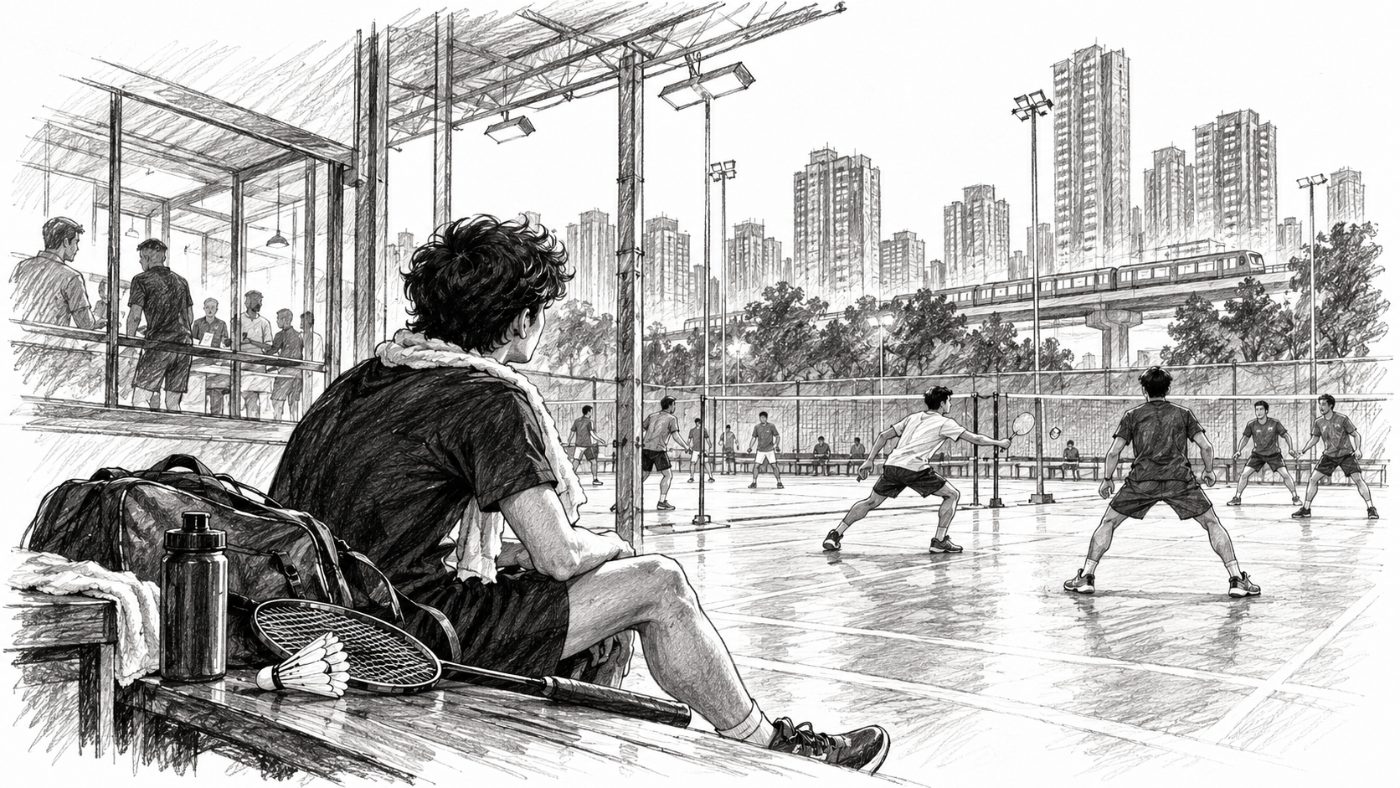
Mera Delhi me aaj teesra din hai aur aaj mai dusri baar raat ke 10 baje badminton court me khelne gya mere saath 3 aur saathi gye. Badminton court ko hamne ek ghante ke liye book kiya huaa tha jiska kiraya takriban 400 rupay tha. Waise to Delhi nahi mai Noida me hu teen dino se lekin pahli baar jab koi mere jaisa itne bade sheher ghoomta hai to bhale hi wo us sahar ke kisi kone ko bhi ache se samjh na paaya ho par duniya walo se aise baya karta hai jaise wo sheher ki hawaayein uski rooh se hokar gujarti ho. Court me mai racket lekar aage badha ek chhor par 2 log aur dusre chhor par 2 aur hamare beeche me ek jaali thi jo hamare darmiyan ek pratispardha ke bhaaw ko haar aur jeet me tabdeel karne wali thi. Khair thoda warm-up karne ke baad saamne se mere ek mitra ne hamare beech match ka ailaan kiya aur jo bhi pair pahle 20 point pure kar lega wo jeet jayega. Mai apna pura dhyan match me lagaya jeetne ki wajah se nahi balki is wajah se kahi mere saath me jo log khel rhe hai wo mujhse niraash na ho jaayein pta nhi kyu par mujhe aisa hi lag rha tha. Mujhe Badminton me sirf itna hi pta tha ki shuttle ko racket se hit karna hota hai iske alawa mujhe kuch bhi nahi pta tha na hi court ke dimensions na hi koi niyam par mai is cheej ke liye sharmata nahi tha mai har baar puchhta tha shayad beijaati itni ho gyi ki ye aage beijjati hone wali hai isse fark hi nahi padta. Hamne match khela aur lagbhag aadhe ghante me mai thak gya shayad is wajah se kyuki ek lambe samay ke baad itna uchhal kood kiya. Mera racket maine doosre mitra ko diya aur pass rakhi bench par jaakar baith gya mere saamne total 6 court the aur sabhi me log khel rhe the aksar log ek ghante ke hisaab se court book karte the to maine hisaab lagana start kiya ki agar ye court shaam me 4 se 11 baje se khula rahta hai aur iske lagbhag 5 court bhi daily ke book rahte hai to ye din ka lgbhag 3200 rupay ek court se aur 6 court se lagbhag 19600 rupay kama rha hai mtlab mahine ke lagbhag 588000 rupay. In sabhi khayalo se achanak mai bahar aaya pta nhi kyu jab bhi kabhi mere dimaag me paiso ka khayal aata hai ya phir aisi koi baat aati hai jisme career paise waise ki baate hone lagti hai to mai thoda saham sa jaata hu aisa nhi ki mai usse bhaagta hu bas yu kah lo ki mai jis samay jis moment me hota hu use nhi jee paata. Tabhi maine kuch kuch cheejein observe ki, is din bhar kaam karte hai ek fix time me jaana ek fix time me aana ek desperate life aur sab apne kaam ko lekar pareshaan hain koi khush nahi hai maine kuch logo se yu hi hii hello kiya aur hamari umar me hii hello ka mtlab hota hai ki ham ek dusre ke kaam ke baare me puchhte hai to unhone mujhse puchha maine to bahana bna diya ki mai degree le rha hu online jiska unke dimaag me koi sense nahi banta, jab bhi ham koi nayi cheej dekhte hai to use apnane me use smjhne me samay lagta hai chahe wo mausam ke badlaaw ko dhaalna ho ya phir koi biological variation ho. Maine ek apne hi umar ke vyakti se baat ki usne btaya ki wo Amazon me kaam karta hai maine turant hi pta nahi kyu usse puchha ki khush ho wo bola bhai bahut mai smjh nhi paaya ki aakhir wo tont maar rha hai ya phir wo sach kah rha hai kyuki jab wo badminton court aaya to wo phone par kisi se baat kar rha tha aur andaaz se laga ki wo kisi workload se pareshaan hai aur uski wajah se lagbhag uske 1 ghante ki booking ka lagbhag 5 minute barbaad ho chuke the. Mai apne kisi rishtedaar ke pass unke flat me ruka huaa tha unke flat me bahut bade bade log aur bahut hi ache khush mijaaj log rahte the achi achi baatein karte the khoob maja aata tha aisa kabhi nahi laga ki yaar ye ajnabi hai balki aisa lagta tha ki ye dost se badhkar hain. Wo sab acha kama rhe the ache flat me the unke flat me mera aisi cheejon se saamna huaa jo shayad hi kabhi mai apne khwabo me deedar kar sakta tha. Lekin un sabhi me mujhe ek depressed zindagi dikhai sab bahut acha kama kha rhe the jaisi hi chutti milti wo turant bhaag jaate the wo flat chhodkar wo bas us duniya se door jaana chahte the hamesha weekend aate hi wo chhutiyo ki planning karne lagte the shayad waha sabhi ki zindagi aisi hi hoti hai..... Maine jo bhi anubhaw kiya shayad mai kah to diya lekin sab adhoora hai mai abhi tak kisi nishkarsh me nahi pahuch paaya shayad mera nazariya bhi adoora tha ya phir pta nahi lekin padhne wala soche aur is adhoorepan ko wo khud pura kare ye meri gujaarish hai.
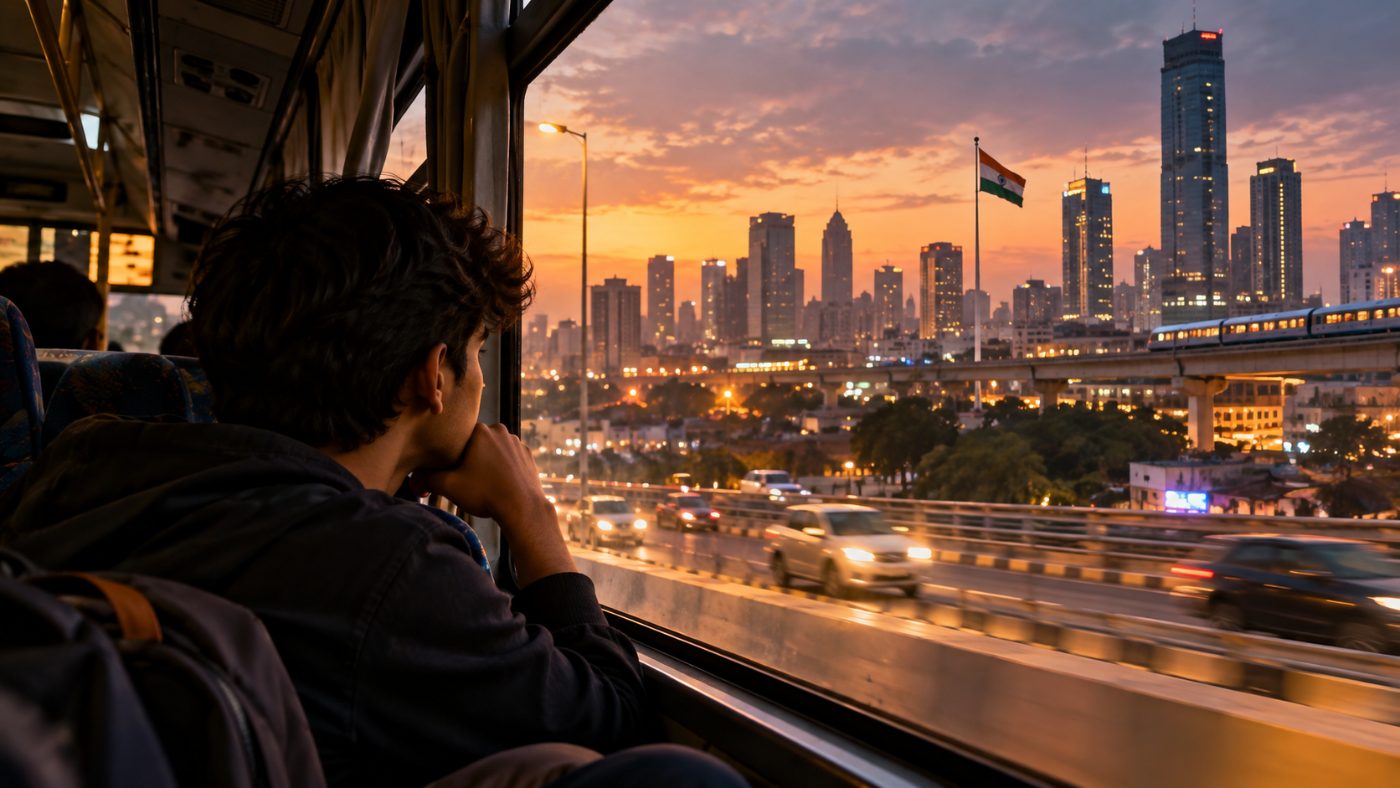
ek chhote shahar se mera pahli baar delhi jaise shahar ka anubhaw hai. Maine hamesha apni locality me suna hai ki delhi aisa hai waisa hai aap aagar jaa rhe ho pahli baar to aap apne samaan ka to khaas dhyan do waha kab aapke jeb se pars gayab ho jayenge kab aapka phone chhen liya jayega aapko iski tanik bhi bhanak nahi lagegi aur aise haadse me itne bade shahar me aap kuch kar bhi nahi paoge. Mai apne kisi kaam se delhi aaya tha. maine prayagraj se bus li aur yamuna expressway ke through noida me maine arrive kiya. Noida me kuch door chalne ke baad maine kaafi uchi imaarto ko dekha mtlab aise imaartein maine kahi nahi dekhi thi Indore me tha mai ek saal lekin waha par bhi nahi. mere safar ke dauran jo expressway the yamuna-expressway waha par mera aisa anubhaw ki maano mai california ki sadko me ghoom raha hu ekdam saaf aur suthri sadak mtlab mai kah skta hu ki in sadko me aapko nangi aankho se paan ke thuke hue cheet nahi milenge mai gurantee to nahi de sakta kyuki mai bus me tha aur waha se jitna observe kar paya wahi kah rha hu. Safar ke dauran maine kaafi cheeje notice ki chuki lekhan shaili mere pass nahi hai to shayd mai un anubhawo ko shabdo me baya na kar paau lekin kuch baatein mai jaroor kahna chahunga. hamara gaaw ke pichhda hone ka ek wajah to ye hai ki sarkaar waha par dhyan nhi deti hai jis tarah se use dena chahiye lekin ek aur bada karan mujhe smjh me aaya ki gaawo me log apni soch aur apni krtiyo ki wajah se bhi pichhe hai mujhe lagta hai ki agar gaawo me log apni samajh ko badle to shayad mansikta ke badlaaw ki wajah se vikaas ke pahle star ki chadhai to ham khud hi puri kar jayenge. Maine yaha ke vatavaran me jo hawa anubhaw ki logo ko ek dusre ke kaam me dakhalandazi ka koi shauk nahi hai log apne kaam me pura focus karte hai kisi dusre ki niji zindagi me dakhalandaazi nahi dete aur na hi inhe mtlab hai ki kis aurat ya ladki ne kapde kaise pahne hai kya saamne wali aunty ne apna sir dhaka huaa hai ya nahi aise bagal wale ladke ki shaadi kaha hui hai aur ladki kis caste ki hai wagaira wagaira. Iske alawa logo ko ye lagta hai ki agar wo road me chalte chalte kahi par bhi peshaab kar denge to niyamit roop se jo cheeje hai wo to hongi no doubt lekin wo khud ko kabhi jhel nahi payenge unhe ek inferiority complex ka dar hamesha rahega ki yaar mai aisi harkat kaise kar sakta hu. Mai maanta hu ki gaawo me ek samaaj hota hai lekin har sikke ke do pahlu hote hai us samaaj ko trutiyo ka bhaagidaar aise truti jo ki waha ke logo ko unki asal zindagi se kahi peeche le jaa rhi hai uska bhaagidaar banne ke bajaay vikaas ka bhaagidar banna chahiye. Mujhe lagta hai ki insaan ko aise samaaj ka bhaagidar banna chahiye jo uske vikaas ke liye ho ki na uski niji zindagi me bhi chhoti se chhoti samsya ki wajah ho.
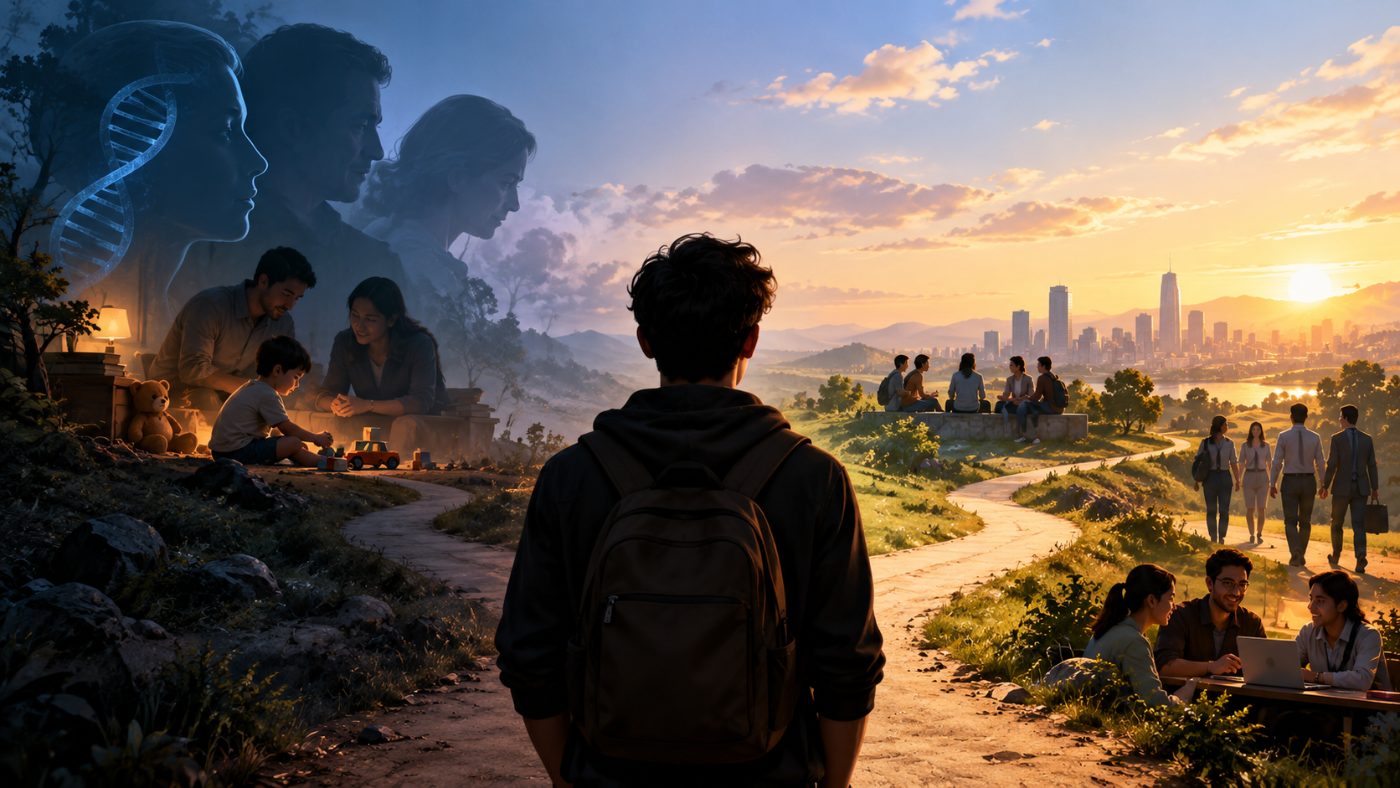
Why Are We the Way We Are? Have you ever wondered why you behave the way you do? Why are some people naturally calm while others are more impulsive, and why does the same person behave differently in different situations? Our behavior is shaped by a combination of heredity and environment . Heredity gives us certain natural tendencies through our genes, while our environment—our family, experiences, relationships, and surroundings—continues to shape us after birth. As children, we naturally express what we want with fewer filters. But as we grow, we observe the people around us and learn how to control and adjust our behavior. Parents and other important adults play a particularly significant role because children learn not only from what they are told but also from what they see others doing. During childhood, we also develop core values —deep beliefs about what is right or wrong, how people should be treated, and what matters in life. These values can become an important part of our character and influence our behavior for years. But values are not the same as attitudes . Values are deeper beliefs, whereas attitudes are opinions or feelings shaped by our experiences. For example, if someone has repeatedly been cheated by salespeople, they may develop the attitude that salespeople cannot be trusted. Unlike core values, attitudes can change when new experiences challenge our existing beliefs. Our personality, values, and attitudes influence our behavior, but the situation around us matters too. We may behave differently with friends, family, colleagues, or strangers. This is why different people may see completely different versions of the same person. Others cannot see our thoughts, experiences, or intentions directly. They mainly see our behavior . Because our behavior changes with our surroundings, we may appear to wear different “masks” in different situations. This does not necessarily mean we are fake; it means we adapt to our environment. The chapter summarizes this idea as: Behavior = f(Personality × Surrounding Factors) In simple terms, our behavior is the result of who we are combined with the situation we are in . So, before judging someone's behavior, it may be worth looking beyond what they are doing and asking: What might be happening beneath the surface?
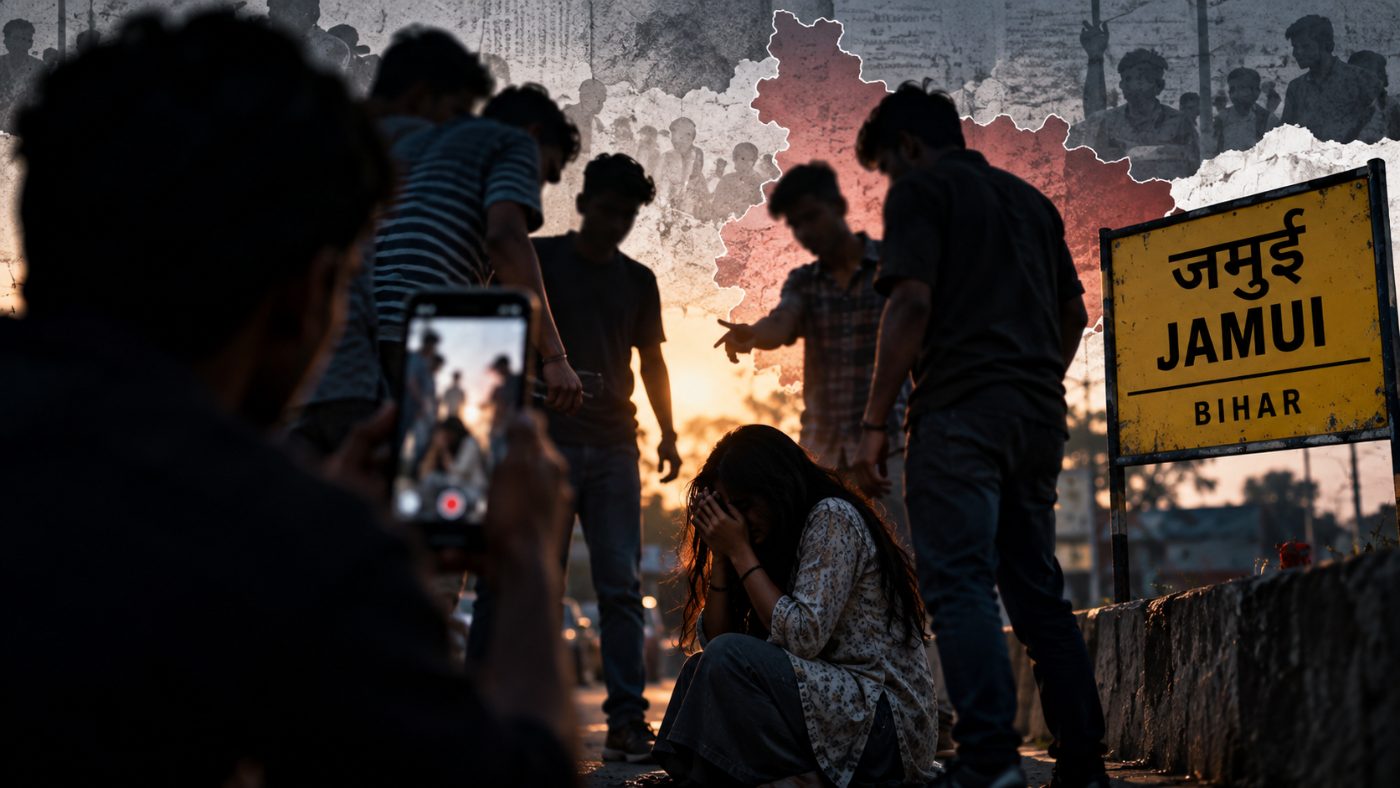
जमुई की सड़क पर सिर्फ एक लड़की नहीं, हमारा समाज शर्मिंदा हुआ किसी सड़क पर एक लड़की मदद के लिए हाथ जोड़कर गिड़गिड़ा रही हो और उसके चारों तरफ खड़े लोग उसे बचाने के बजाय उसे घेरकर परेशान कर रहे हों—तो सवाल सिर्फ यह नहीं होना चाहिए कि अपराधी कौन थे? सवाल यह भी होना चाहिए कि हम किस तरह का समाज बना रहे हैं? बिहार के जमुई में 19 सितंबर की शाम दो नाबालिग छात्र—एक लड़की और एक लड़का—को कथित तौर पर युवकों के एक समूह ने रास्ते में रोक लिया। दोनों को घेरा गया, उनके साथ मारपीट और बदसलूकी की गई और घटना का वीडियो भी बनाया गया। वीडियो सोशल मीडिया पर सामने आने के बाद पुलिस ने मामला दर्ज किया और आरोपियों की तलाश शुरू की। पुलिस के अनुसार कई लोगों की पहचान की गई और गिरफ्तारियां भी हुईं। लेकिन इस पूरी घटना का सबसे डरावना हिस्सा सिर्फ वह हिंसा नहीं है जो वीडियो में दिखाई देती है। डरावना यह है कि इतने सारे लोग मौजूद थे, फिर भी इंसानियत कहीं दिखाई नहीं दी। भीड़ में शामिल होते ही इंसान क्यों बदल जाता है? अकेला व्यक्ति अपराध करने से पहले शायद सौ बार सोचता है। लेकिन वही व्यक्ति जब भीड़ का हिस्सा बन जाता है, तो उसका व्यक्तिगत विवेक धीरे-धीरे गायब होने लगता है। उसे लगता है— "मैं अकेला थोड़ी हूँ।" और यही सोच खतरनाक है। जमुई की घटना में भी एक समूह ने दो नाबालिगों को घेरा। लड़की मदद की गुहार लगाती रही, लेकिन उसके आसपास मौजूद लोगों में से किसी ने उस स्थिति को रोकने की जिम्मेदारी अपने ऊपर नहीं ली। वीडियो में समूह द्वारा दोनों को परेशान किए जाने के दृश्य सामने आए हैं। भीड़ अपराध को सिर्फ आसान नहीं बनाती, कई बार अपराधी को यह भ्रम भी देती है कि जिम्मेदारी किसी एक की नहीं है। लेकिन अपराध भीड़ नहीं करती। अपराध करने वाला हर व्यक्ति करता है। जब अपराध भी 'कंटेंट' बन जाए इस घटना का एक और पहलू आज के डिजिटल समाज के लिए बेहद असहज सवाल खड़ा करता है। घटना को कैमरे में रिकॉर्ड किया गया और बाद में उसके वीडियो सोशल मीडिया पर सामने आए। पुलिस ने भी वीडियो के आधार पर जांच आगे बढ़ाई और आरोपियों की पहचान की। सोचिए, उस समय वहां मौजूद किसी व्यक्ति के हाथ में फोन था। वह फोन मदद के लिए भी इस्तेमाल हो सकता था। पुलिस को कॉल करने के लिए भी। लेकिन कैमरा चल रहा था। यह सिर्फ तकनीक की समस्या नहीं है। यह उस मानसिकता का सवाल है जिसमें हर घटना को 'कंटेंट' में बदल देने की भूख पैदा हो गई है। किसी का दर्द, किसी की बेइज्जती, किसी की चीख—सब कुछ कैमरे के फ्रेम में कैद किया जा सकता है। फिर वही वीडियो शेयर होगा। लोग देखेंगे। कमेंट करेंगे। फॉरवर्ड करेंगे। और पीड़ित? वह शायद जिंदगी भर उस घटना के साथ जीता रहेगा। किसी की जिंदगी हमारी टाइमलाइन का कंटेंट नहीं है। बेटियों को सावधान करना आसान है, बेटों को समझाना क्यों नहीं? हमारे घरों में बेटियों को बचपन से बहुत कुछ सिखाया जाता है— "अंधेरा होने से पहले घर आना।" "किसी अनजान जगह मत जाना।" "कपड़े संभालकर पहनना।" "अकेले मत जाना।" "सावधान रहना।" लेकिन एक सवाल बहुत कम पूछा जाता है— हम अपने बेटों को क्या सिखा रहे हैं? क्या हमने उन्हें यह समझाया कि किसी लड़की को छूने से पहले उसकी सहमति जरूरी है? क्या हमने उन्हें बताया कि किसी लड़की का रास्ता रोकना, उसे घेरना, उसका वीडियो बनाना या उसकी इच्छा के विरुद्ध उसे छूना 'मस्ती' नहीं है? क्या हमने उन्हें यह सिखाया कि किसी महिला की स्वतंत्रता पर हमारा कोई अधिकार नहीं है? बेटियों को सुरक्षित रहने की जिम्मेदारी देना जरूरी हो सकता है। लेकिन सिर्फ बेटियों को सावधान करना समाधान नहीं है। बेटों को जिम्मेदार बनाना भी उतना ही जरूरी है। 'मेरी बेटी नहीं है'—इस सोच से बड़ा कोई खतरा नहीं इस घटना का एक और सवाल उन लोगों से है जो ऐसे मामलों में सिर्फ वीडियो देखते हैं, कुछ देर गुस्सा करते हैं और फिर अपनी जिंदगी में लौट जाते हैं। अगर सड़क पर किसी लड़की के साथ गलत हो रहा है और हम सिर्फ इसलिए आगे निकल जाते हैं क्योंकि वह हमारी बहन, बेटी या दोस्त नहीं है, तो समस्या सिर्फ अपराधियों में नहीं है। समस्या हमारे भीतर भी है। हर घटना में सीधे हस्तक्षेप करना हर व्यक्ति के लिए संभव नहीं होता। कभी स्थिति खतरनाक भी हो सकती है। लेकिन मदद के रास्ते हमेशा हो सकते हैं—पुलिस को सूचना देना, आसपास के लोगों को जुटाना, सुरक्षित दूरी से सहायता बुलाना या पीड़ित को सुरक्षित स्थान तक पहुंचाने की कोशिश करना। मूकदर्शक होना और सुरक्षित तरीके से मदद करना—दो अलग चीजें हैं। और समाज का चरित्र इसी अंतर से तय होता है। कानून जरूरी है, लेकिन क्या सिर्फ कानून काफी है? जमुई मामले में पुलिस ने FIR दर्ज की, आरोपियों की पहचान और गिरफ्तारी की कार्रवाई की तथा जांच के लिए SIT भी गठित की गई। बाद की कार्रवाई में मुख्य आरोपी के पुलिस मुठभेड़ में घायल होकर गिरफ्तार किए जाने की भी रिपोर्ट सामने आई। कानून अपना काम करेगा। अदालतें अपना काम करेंगी। दोष सिद्ध होने पर सजा भी होगी। लेकिन एक सवाल फिर भी बचा रहेगा— अगली बार ऐसी घटना होने से पहले हम क्या बदलेंगे? क्योंकि हर अपराध के बाद आरोपी को पकड़ लेना जरूरी है। लेकिन उससे भी जरूरी है कि समाज ऐसी मानसिकता पैदा ही न करे, जिसमें किसी कमजोर व्यक्ति को घेरकर उसका अपमान करना 'मस्ती' समझा जाए। बदलाव पुलिस स्टेशन से नहीं, घर से शुरू होगा हम अपने बच्चों को गणित पढ़ाते हैं। अंग्रेजी पढ़ाते हैं। करियर बनाना सिखाते हैं। प्रतियोगिता में आगे निकलना सिखाते हैं। लेकिन शायद हमें एक और विषय गंभीरता से पढ़ाना होगा— इंसानियत। अपने बेटों को यह बताना होगा कि ताकत किसी कमजोर को डराने में नहीं है। ताकत यह है कि जब बाकी लोग किसी को घेर रहे हों, तब तुम उसके लिए खड़े हो सको। जब बाकी लोग वीडियो बना रहे हों, तब तुम मदद के लिए फोन उठा सको। जब बाकी लोग हंस रहे हों, तब तुम्हें समझ आए कि सामने वाला इंसान है—कंटेंट नहीं। जमुई की घटना को सिर्फ एक वायरल वीडियो समझकर आगे बढ़ जाना आसान है। लेकिन अगर हमने उससे कुछ नहीं सीखा, तो यह सिर्फ एक घटना नहीं रहेगी। यह हमारे समाज की आदत बन जाएगी। और जिस दिन किसी लड़की की चीख हमें सामान्य लगने लगेगी, उस दिन समस्या सिर्फ अपराधियों में नहीं होगी। समस्या हम सब में होगी। एनकाउंटर, गिरफ्तारी और जेल—ये कानून के हिस्से हैं। लेकिन सामाजिक इलाज हमारे घरों से शुरू होगा। क्योंकि अगली बार सड़क पर कोई मदद के लिए हाथ जोड़े, तो उसके आसपास सिर्फ भीड़ नहीं होनी चाहिए। उसे इंसान भी मिलना चाहिए।
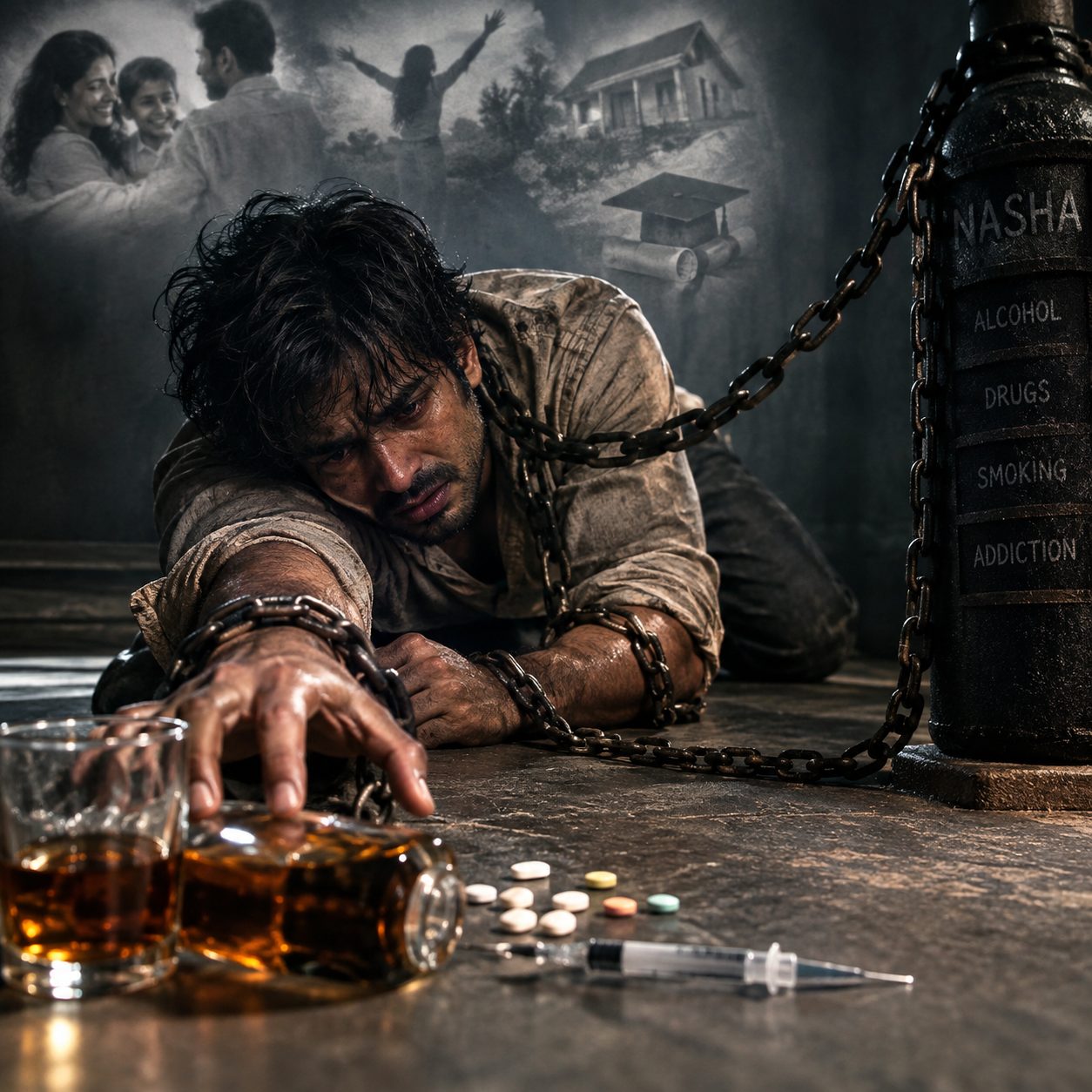
नशा आज भारत में नशा जैसे-जैसे बढ़ रहा है उस पर हमे गंभीरता से सोचना चाहिए , देश में आज बड़ा वर्ग नशे के चपेट में है, आज चाय के साथ सिगरेट और पार्टी में शराब सामान्य हो गया है, गांजा, शराब, सिगरेट और न जाने क्या क्या । और अगर हम ये सोचते हैं कि नशे से सरकार बचाएगी तो आप बिल्कुल अनजान है। सरकार को बस टैक्स चाहिए। गांजा इसलिए प्रतिबंधित है क्यूं कि गांजा को टैक्स से बच के उगाया जा सकता है। मुझे ये लगता है सरकार को अच्छा खासा टैक्स दिया जाए तो सरकार मर्डर भी लीगल कर दे। नशे से टूटते परिवार, आत्महत्याएं, बेबस बच्चे सरकार को नहीं दिखते। हमें इस सब से बचना और अपनो को बचाना चाहिए हर गली मोहल्ले में 2-3 चाय की टपरी है और वहां सिगरेट बड़े सहजता से मिल रही। महीने का एक बड़ा पैसा नसे की भेंट चढ़ रहा। प्रतिबंधित राज्य में शराब सामान्य तरीकों से मिल रही। सरकार को ज़्यादा मुनाफा हो रहा। जरूरत है नशे से बचने की नशे से अपनों को बचाने की
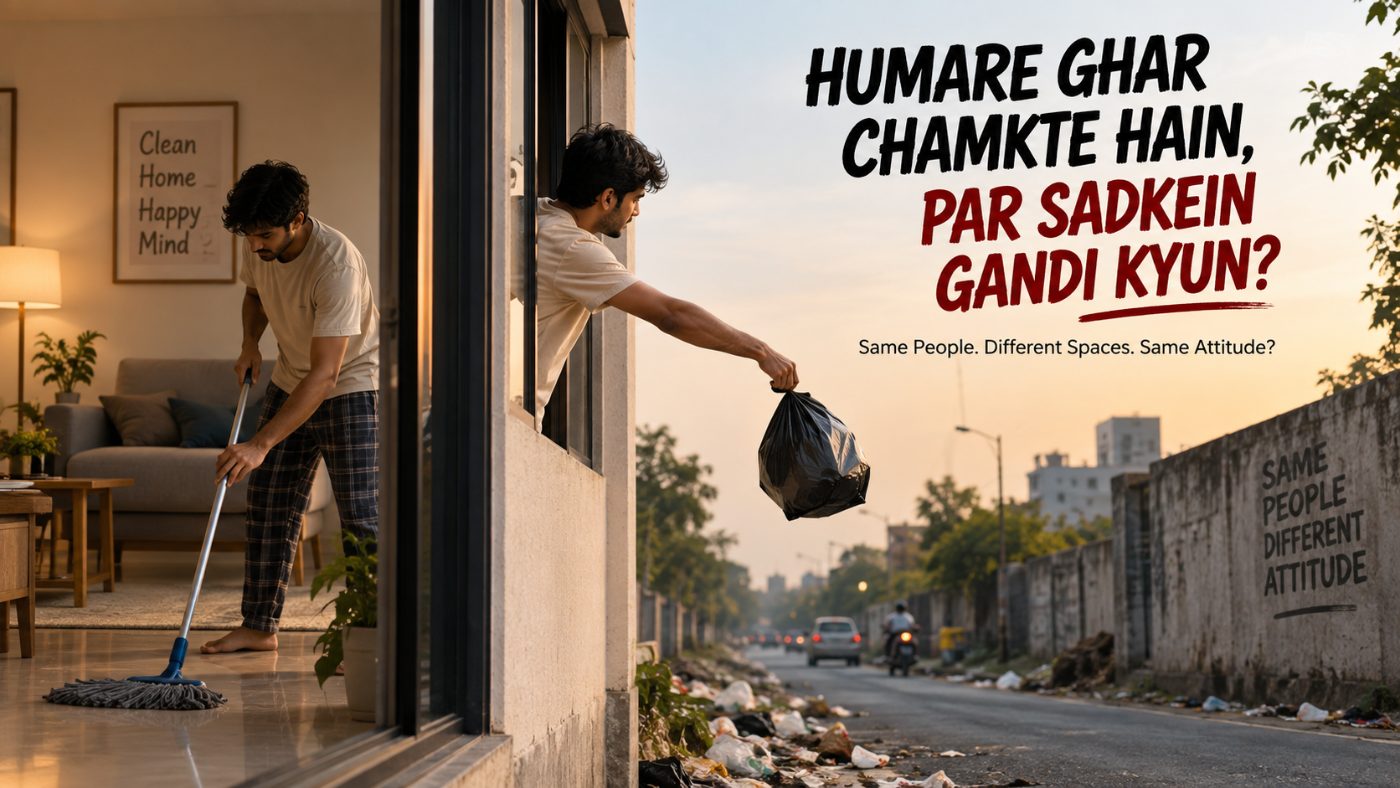
Humare Ghar Chamkte Hain, Par Sadkein Gandi Kyun? Subah-subah hum ghar mein pocha lagate hain, sofa ke cushions seedhe karte hain aur agar koi bahar se chappal pehenkar andar aa jaye, toh aisa dekhte hain jaise usne ghar nahi, international border cross kar diya ho. Lekin wahi insaan shaam ko ghar ka kachra ek plastic bag mein bhar kar khidki se bahar sadak par phenkte hue bilkul casual hota hai. Kya ajeeb contradiction hai, nahi? Hum apne ghar ko saaf rakhne ke liye itne conscious hain, lekin ghar ke bahar ki duniya ko lekar hamara attitude aksar hota hai— “Bhai, woh toh government ka hai.” “Mera” Saaf, “Sabka” Kiska? Shayad problem sirf safai ki nahi, ownership ki hai. Humare dimaag mein “mera” aur “sabka” ke beech ek invisible boundary bani hui hai. Ghar mera hai, toh saaf rakhna meri responsibility hai. Gaadi meri hai, toh uspar kachra nahi chahiye. Lekin road? Park? Footpath? Public toilet? “Arre woh toh sarkari hai, koi na koi saaf kar dega.” Yahin se civic sense ki kahani thodi funny aur thodi depressing ho jaati hai. Humein aksar lagta hai ki kachra ghar se bahar nikal gaya, toh problem bhi ghar se bahar nikal gayi. Out of sight, out of mind. Kachra sadak par pada hai ya kisi aur ke raste mein—ab woh hamari problem nahi hai. “Sab Phenk Rahe Hain, Main Bhi…” Ek aur legendary Indian logic hai: “Jab sab phenk rahe hain toh mere ek packet se kya farq padega?” Aur isi logic ko agar har insaan follow kare, toh ek packet million packets ban jaata hai. Yahan “chalta hai” attitude bhi apna full contribution deta hai. Jab hum dekhte hain ki doosre log public spaces ko ganda kar rahe hain aur koi unhe rok nahi raha, toh woh behaviour dheere-dheere normal lagne lagta hai. Lekin Galti Sirf Logon Ki Bhi Nahi Hai Kabhi-kabhi system bhi problem ka hissa hota hai. Aapke haath mein kachra hai, lekin aas-paas dustbin hi nahi hai . Kuch areas mein garbage collection irregular hota hai. Kahin public toilet ki condition kharab hai. Phir wahi hota hai jo Broken Windows Theory suggest karti hai—jab koi jagah pehle se neglected aur gandi dikhti hai, toh log usse aur kharab karne mein comparatively kam hesitation feel kar sakte hain. Lekin iska matlab yeh bhi nahi ki dustbin na milne par road ko dustbin declare kar diya jaye. Toh Solution Kya Hai? Civic sense sirf “Swachh Bharat” ke posters se develop nahi hogi. Iski shuruaat school se honi chahiye—bachchon ko sirf “kachra dustbin mein daalo” nahi, balki “public space bhi tumhari space hai” samjhana hoga. Saath hi, rules ka enforcement bhi zaroori hai. Airports aur metro stations mein hum surprisingly disciplined ho jaate hain. Shayad wahan humein yaad rehta hai ki CCTV bhi hota hai. Public spaces ko “sarkari” samajhna band karke “humara” samajhna hoga. The Bottom Line “Desh tab tak saaf nahi hoga, jab tak hum apni safai ki boundary ko ghar ke darwaze par khatam karna band nahi karenge.” Agli baar kachra phenkne se pehle ek second rukiyega. Sadak sirf sarkar ki nahi hai. Woh humari bhi hai.
हमें टूटी हुई चीज़ें ख़ूबसूरत क्यों लगती हैं? कभी किसी पुरानी, बिखरी हुई इमारत को देखा है—जिसके ख़्वाबों की छत कब की ज़मीन पर आ गिरी हो, जिसके आँगन में अब केवल ख़ामोशी बसती हो? अजीब बात है न? एक नई इमारत को देखकर हम उसकी सुंदरता के पुल बाँधते हैं। उसकी चमकती दीवारें, साफ़ खिड़कियाँ और सजे हुए दरवाज़े हमारी आँखों को भाते हैं। लेकिन फिर वही आँखें किसी टूटे हुए छज्जे पर ठहर जाती हैं—जिसकी दीवारों पर शैवाल के जंगल उग आए हैं, जिसकी खिड़कियाँ कब की टूट चुकी हैं और जिसे शायद सदियों से किसी ने छुआ तक नहीं। फिर भी हम उसे देखते हैं, ठहरते हैं और न जाने क्यों उसकी ओर खिंचे चले जाते हैं। आख़िर ऐसा क्यों है? शायद क्योंकि अधूरापन भी अपनी एक कहानी कहता है एक नई इमारत हमें बताती है कि उसे किसने बनाया। लेकिन एक उजड़ी हुई इमारत हमसे पूछती है— यहाँ कभी कौन रहता था? इन दीवारों के बीच कितनी हँसी गूँजी होगी? कितनी आँखों ने यहाँ अपने सपने सँजोए होंगे? कितनी शामें किसी के लौटने की प्रतीक्षा में ढली होंगी? समय ने इमारत को तोड़ दिया, मगर उसकी कहानी को पूरी तरह मिटा नहीं पाया। और शायद हम उसी बची हुई कहानी की ओर खिंचते हैं। जैसे सच्ची मोहब्बत... शायद सच्ची मोहब्बत भी कुछ ऐसी ही होती है। किसी से प्रेम करना केवल उसके सुंदर चेहरे, मुस्कान या साथ बिताए सुखद दिनों से प्रेम करना नहीं है। सच्ची मोहब्बत तो तब दिखाई देती है, जब सामने वाले के भीतर कुछ टूटने लगे—और हम फिर भी उसके पास ठहरें। जब चेहरे की चमक फीकी पड़ जाए, जब शब्द कम हो जाएँ, जब जीवन अपनी सारी सुंदरता समेटकर किसी को ख़ामोशी के हवाले कर दे—और फिर भी कोई कहे, “तुम अब भी उतने ही अपने हो।” शायद मोहब्बत किसी के संपूर्ण होने से नहीं, बल्कि उसके बिखर जाने के बाद भी उसे अपना मान लेने से पूरी होती है। किसी शायर ने क्या ख़ूब कहा है कि… करूँगा क्या जो मोहब्बत में हो गया नाकाम मुझे तो और कोई काम भी नहीं आता समय की सबसे ख़ूबसूरत निशानी हम समय को देख नहीं सकते। लेकिन किसी दीवार की दरार, पत्थरों पर जमी काई और टूटे हुए दरवाज़े को देखकर हम समझ सकते हैं कि कितने मौसम वहाँ से गुज़र चुके हैं। कभी किसी ने उन दीवारों को अपने हाथों से बनाया था। फिर लोग चले गए। पीढ़ियाँ बदल गईं। मगर दीवारें रह गईं—अपने भीतर बीते हुए कल की साँस सँभाले हुए। शायद इसीलिए खंडहर हमें अपनी ओर बुलाते हैं। वे हमें याद दिलाते हैं कि सुंदरता का अर्थ हमेशा नया, चमकदार और संपूर्ण होना नहीं है। कभी-कभी दरारों में भी एक पूरी दास्तान छिपी होती है। और शायद हम टूटी हुई चीज़ों को इसलिए सुंदर पाते हैं— क्योंकि उनमें बीते हुए समय की ख़ुशबू होती है, बिछड़ जाने का दर्द होता है, और फिर भी... किसी के कभी यहाँ होने की एक ख़ूबसूरत गवाही बची होती है।
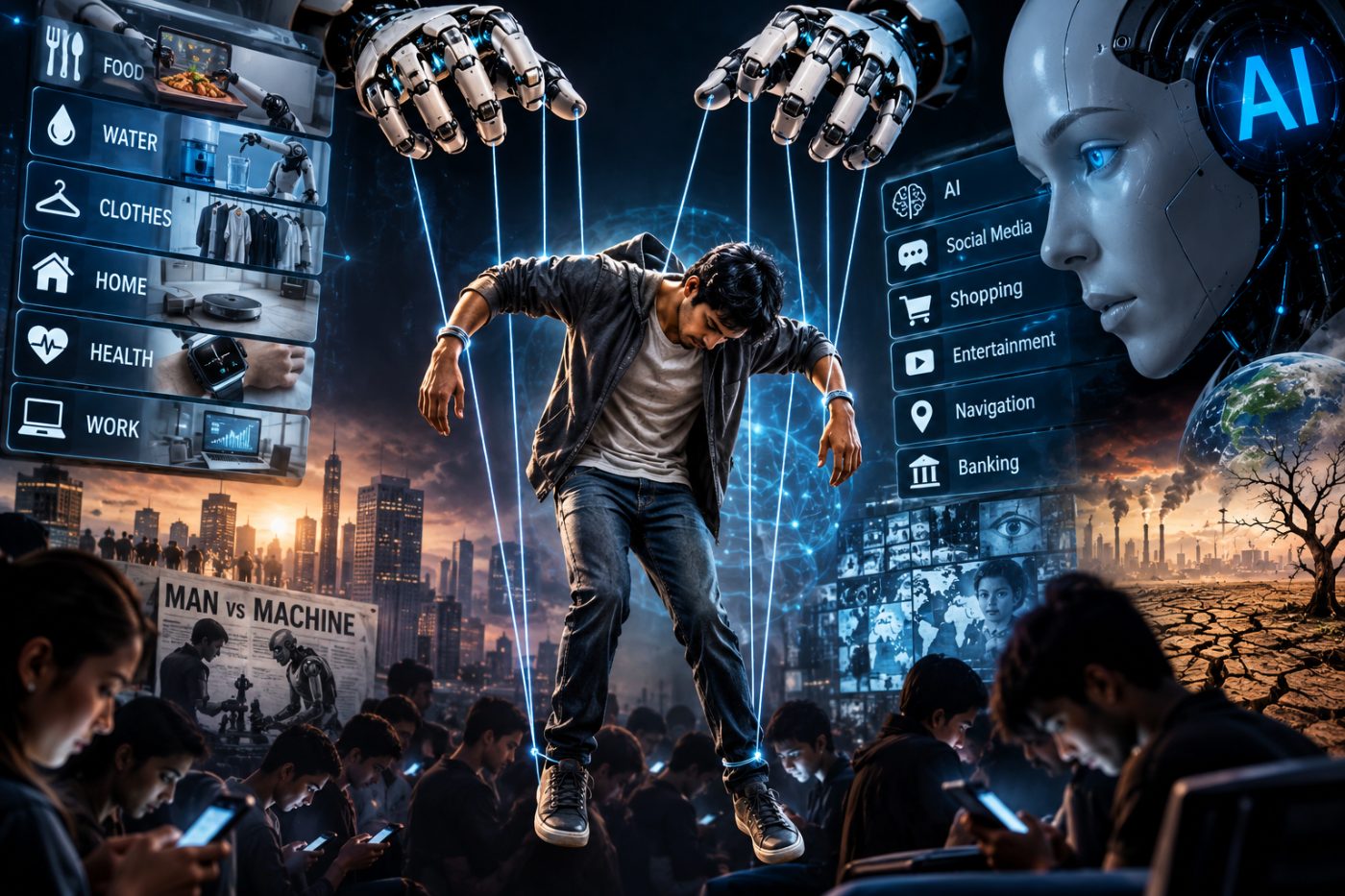
आज के आधुनिक युग ने मशीनों को डेवलप और अपडेटेड बनाने के चक्कर में इंसान को आलसी,कमजोर और मशीनजीवी बना दिया है हम भोजन, पानी, कपड़े, अपनी लाइफ के हर छोटे कार्य के लिए मशीनों पर निर्भर हो गए हैं। आर्टिफिशियल इंटेलिजेंस (AI) ने अब अपना पैर फैला रहा। यह कोई ताज़्जुब की बात नहीं होगी कि अगले 10 सालों में इंसानों को कोई काम ही नहीं रहेगा,फिर AI किसके लिए काम करेगा । आज हम अपनी नई पीढ़ी को ट्रेंड कर रहे कि वो मशीनों को अच्छे से ऑपरेट कर सके शायद यही हम गलती कर रहे, हम नई पीढ़ी को मशीनों के लिए तैयार कर रहे, हम मशीनों से मशीन बन कर नहीं जीत सकते। हमे नई पीढ़ी को मनुष्य बनाने पर जोर देना चाहिए, बच्चों को नैतिकता, भावुकता, अच्छे आदर्श, ईमानदारी जैसे गुणों को सीखना चाहिए ताकि वो मशीन को प्रकृति हित में उपयोग कर सके आज ग्लोबल वार्मिंग के कारण जो विनाश हो रहा उसका जिम्मेदार कौन है, मशीन तो बिल्कुल नहीं है, मनुष्य है, विश्व भर में जंगल,पेड़ प्राकृतिक संसाधन खत्म हो रहे तो जिम्मेदार मनुष्य है। मशीनों को कैसे उपयोग करना है यह पहला कदम होना चाहिए। आज 5 ,6 साल के बच्चों के हाथ में AI हैं, उनकी तस्वीरें, आवाज,उनके हाव भाव, उनकी भावनाएं मशीन सुन रही, देख रही। और बड़े बड़े उद्योगपतियों के हिसाब से वो जनता की भावनाओं को मैनिपुलेट कर रही। आज हम बाजार के हिसाब से सोचते हैं, बाज़ार के हिसाब से बोलते हैं। ध्यान देने की बात है क्या हम मौलिक बचे हैं? या नहीं। जरूरत है मौलिकता की।
5 ChatGPT Prompts to Generate Authentic 1970s Vibes The 1970s had a distinctive visual language: warm colours, imperfect focus, visible film grain, dramatic lighting and natural expressions . Unlike today's highly polished digital images, photographs from that era often felt raw, personal and genuinely human. With the right prompts, you can use ChatGPT to recreate these characteristics in AI-generated images. 1. Late-1970s Candid Street Portrait Want an image that feels like it was captured spontaneously on a city street in the late 1970s? This prompt combines 35mm analog photography, Kodak Kodachrome-inspired colours, golden-hour sunlight, muted earth tones and organic film grain . The soft background and natural imperfections help avoid the overly polished appearance of modern AI images. Prompt: A raw, authentic late-1970s vintage candid street portrait of a person looking slightly away from the camera. Captured on a 35mm analog film camera using Kodak Kodachrome color grading. The lighting is warm golden hour sunlight casting soft shadows across the face. Features distinct organic film grain, rich muted earth tones, and a slightly soft focus background showing a blurry retro city street scene. No digital crispness, completely natural imperfections, true analog look. 2. Grainy Indoor Flash Portrait For an authentic old-family-album aesthetic, try an indoor portrait photographed with an on-camera flash. The sharp shadows, slight red-eye, soft lens bloom, amber and olive-green tones create the unmistakable character of vintage indoor photography. Prompt: A grainy, vintage 1970s indoor analog portrait of a subject sitting on a textured retro armchair. Shot using an on-camera flash that creates sharp shadows on the wall behind them and a slight red-eye effect. Authentic Nikkormat FTn camera aesthetic, soft lens bloom, deep contrast, and a warm color palette with amber and olive-green accents. The texture looks like a scanned physical print from an old photo album, displaying natural vintage wear. 3. Classic 1970s Studio Headshot The 1970s weren't only about grainy snapshots. Studio portraits from the era could be elegant, soft and highly detailed while still maintaining a distinctly analog appearance. This prompt uses an 85mm portrait-lens aesthetic, soft ambient lighting and muted Agfachrome-inspired colours. Prompt: A professional 1970s studio headshot of a person with an authentic, non-smiling expression. Captured on high-quality 85mm analog portrait lens, mimicking vintage Agfachrome film stock. Soft, diffused ambient lighting with no harsh reflections. The color grading features desaturated tones, pale cream backgrounds, and a beautiful matte texture. Exceptional detail in hair and fabric without looking digitally sharpened or AI-generated. 4. Dramatic Black-and-White Editorial For something darker and more artistic, go for a mid-1970s black-and-white editorial aesthetic . Coarse Ilford HP5-style grain, dramatic side lighting and deep contrast give this prompt a raw documentary character. Prompt: A striking black and white editorial portrait from the mid-1970s. Shot on 35mm Ilford HP5 analog film, heavily emphasizing coarse, prominent film grain and high-contrast shadows. The subject is captured in an intense close-up with dramatic side lighting that highlights facial structure and textures. Deep blacks, bright whites, and a slight lens vignette at the corners. Pure analog grit, completely free of modern digital smooth rendering. 5. Faded 1970s Polaroid Snapshot Sometimes, the imperfections are what make a photograph feel real. This prompt recreates a faded Polaroid snapshot with washed-out colours, soft focus, subtle chromatic aberration and the texture of physical photographic paper. Prompt: A faded, nostalgic 1970s polaroid square photo snapshot of a person laughing mid-motion. The image features characteristic Polaroid color shifts with slightly washed-out blue and yellow tones, a soft focus, and lower dynamic range. Mild chromatic aberration near the edges and a subtle vintage matte paper texture. The composition feels accidental and deeply human, capturing a genuine, unposed moment on chemical analog film. A convincing 1970s aesthetic isn't just about adding a vintage filter. The real difference comes from describing the film stock, camera, lighting, grain, colour behaviour, lens characteristics and imperfections. The more specifically you describe these analog qualities, the more authentic your final image can feel.
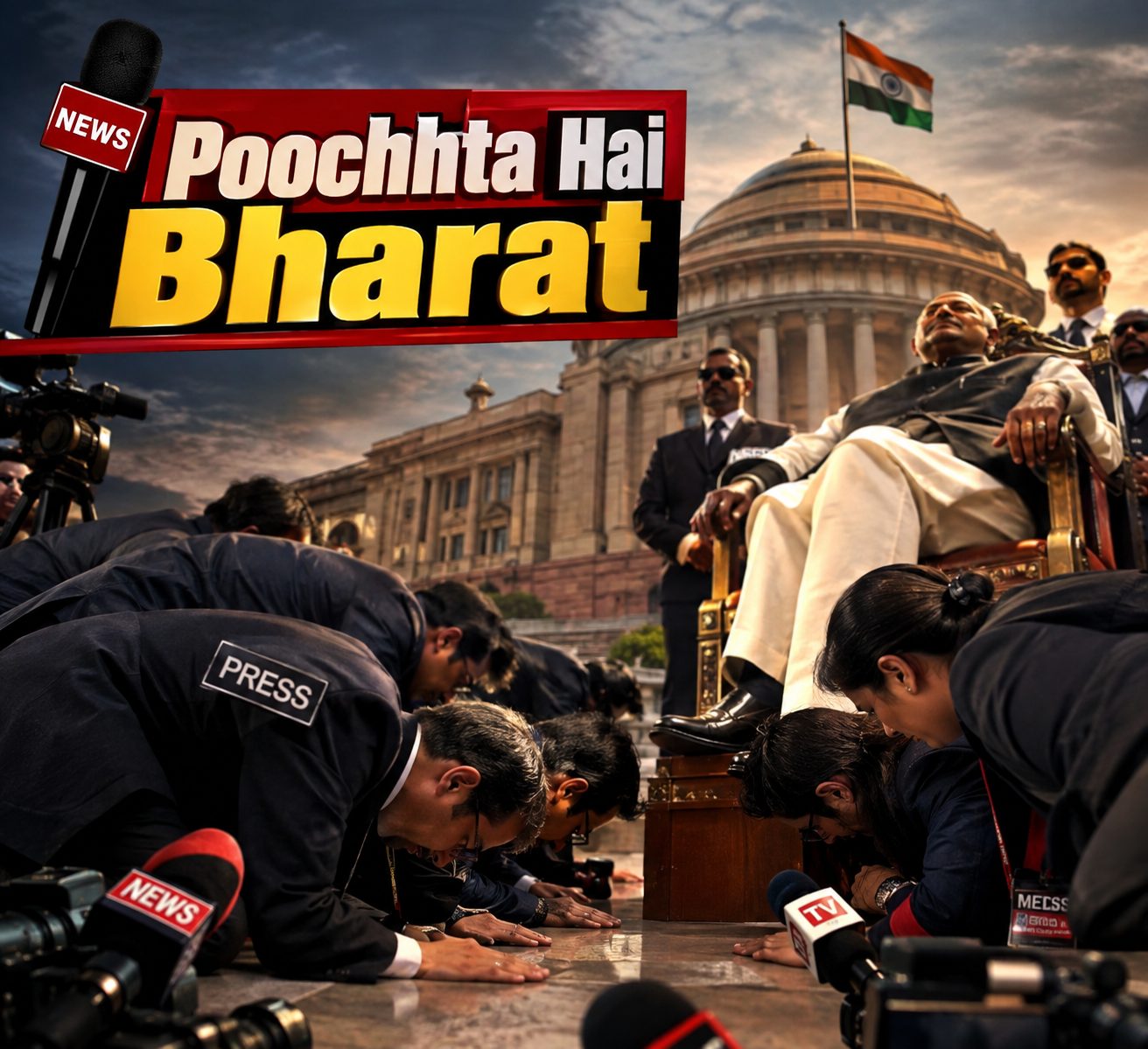
आज बिहार बाढ़ में डूबा हुआ है , सरकार मणिपुर का हाल जानना भी नहीं चाहती, देश में हर दिन 82 से 85 महिलाओं का रेफ हो रहा, देश में हर दिन 30 से 35 किसान आत्महत्या कर रहे हैं, देश के 100 करोड़ में से 40 करोड़ युवा बेरोजगार हैं। और ये सब आकड़े सरकार के द्वारा स्वयं दिये गए हैं, वास्तविकता तो इससे भी बद्तर होगी, पर भारत का चौथा स्तंभ यानी मीडिया, पत्रकार ,आज केवल इस बात पर ध्यान दे रहे कि मोदी जी के जन्मदिन की हेडलाइन क्या रखे, उनको आज विष्णु के किस अवतार से तुलना करे, मोदी जी के जन्मदिन पर सरकारी दफ़्तर में दीपक कितना तेज़ प्रज्वलित होना चाहिए।यही सबसे बड़ा टास्क है। देश के बड़े मीडिया एजेंसी और बड़े पत्रकार आज बिक चुके हैं, हम सब को ये महसूस भी होता है, पर यह लगता है कि हम क्या ही कर सकते हैं, मोदी जी 24 घंटों में 10 घंटे न्यूज की हेडलाइन बने हुए हैं और बाकी के समय इंस्ट्राग्राम की रील में वो आते रहते हैं, देश में महंगाई, बेरोजगारी, हिंसा, आपसी तनाव बढ़ रहा है, चीन,अमेरिका हर मंच में भारत को पछाड़ रहा है, पर भारत की मीडिया उस पछाड़ को भी मोदी का मास्टरप्लान बता रही है। यही कारण है कि पत्रकारिता के वैश्विक स्तर पर भारत आज नेपाल, भूटान , श्री लंका, बांग्लादेश और पाकिस्तान से भी नीचे है पर पत्रकारों के अकाउंट में रकम अमेरिका के पत्रकारों से भी ज़्यादा है। आज सोशल मीडिया में आम लोगों द्वारा पत्रकारिता शुरू हो गई है जिसका सीधा अर्थ है कि परंपरागत एजेंसी मीडिया से देश के लोगों का भरोसा उठ गया है। जरूरत है एक सच्चे पत्रकारिता की, एक विश्वसनीय पत्रकार की।
100% Tariff Threat: Why Trump’s New Russia Sanctions Bill Has India Watching Closely The US Congress has cleared a sweeping Russia sanctions bill that could give President Donald Trump the power to impose tariffs of up to 100% on major buyers of Russian energy. India and China are among the countries that could face the new tariff mechanism. The legislation, formally known as the Lindsey O. Graham Sanctioning Russia and Iran Act of 2026 , passed the US House of Representatives on September 16 by 262–159 , after clearing the Senate in August. It now heads to President Donald Trump for his signature. But there is an important distinction: the bill itself does not immediately impose a 100% tariff on Indian goods. Instead, it creates a legal mechanism under which the US administration can impose tariffs of up to 100% on countries that meet specific conditions involving Russian oil, natural gas or sanctions evasion. What Exactly Does the Bill Do? The legislation is primarily designed to increase economic pressure on Russia and Iran , while also targeting countries and entities that help sustain Russian energy revenues. One of its most significant provisions is Section 113 , which deals with what are known as secondary tariffs . Under the provision, countries can become subject to tariffs if they are among the largest importers of Russian crude oil or natural gas and continue making qualifying purchases after the law takes effect. The provision also covers countries identified among the top five facilitators of Russian oil sanctions evasion. The legislation allows the tariff rate to go as high as 100% on goods imported into the United States from qualifying countries. The key point: 100% is a maximum authorised rate, not an automatic tariff rate on India. The bill also requires reassessment of the five largest Russian oil and gas importers every 180 days, creating a mechanism that can change which countries fall within the tariff framework. Why Is India in the Spotlight? India has become one of the world's major buyers of Russian crude since Russia's invasion of Ukraine disrupted the global energy market. Russian oil became particularly important for Indian refiners because it offered a competitive source of crude and helped India maintain a diversified energy supply. Recent data cited by Indian financial publications shows Russia accounting for a substantial share of India's crude imports. Financial Express reported that Russia supplied around 45% of India's crude imports in August 2026 , equivalent to roughly 2 million barrels per day. That makes Washington's new tariff mechanism particularly significant for New Delhi. The issue is not simply about oil. It connects energy security, foreign policy and India's access to the US consumer market . India’s Response: Energy Security Comes First New Delhi has responded cautiously. Following the House vote, India's Ministry of External Affairs said the country would take “all necessary steps to protect its trade and economic interests” , while emphasizing the importance of maintaining energy security for India's population. For India, the calculation is complicated. Reducing Russian oil purchases could ease pressure from Washington, but replacing a large volume of crude quickly could also affect procurement costs, refinery economics and the overall energy market. This becomes even more significant when global oil markets are already facing geopolitical disruptions. What Could a 100% Tariff Mean for Indian Exporters? If the maximum tariff were actually imposed broadly on Indian goods, the consequences would be substantial. A 100% tariff would effectively add an amount equal to the value of the imported product to its US customs duty, before considering other applicable charges. That could put significant pressure on industries that depend heavily on the American market, including: Textiles and apparel Engineering goods Chemicals Pharmaceuticals Gems and jewellery Marine products Machinery and manufactured goods However, the actual impact cannot be calculated simply by assuming that every Indian product will suddenly face a 100% duty. The eventual outcome would depend on whether India is designated under the law, what tariff rate is selected, which products are covered and when the measures are implemented . Indian exporters are therefore watching Washington closely rather than treating the maximum rate as an immediate reality. From 18% to a Potential 100%: Why the Timing Matters The development is particularly notable because US-India trade relations have already gone through a major tariff cycle this year. In February, Washington announced an interim trade framework under which the US would apply an 18% reciprocal tariff rate to certain Indian goods, while the additional 25% tariff linked to India's Russian oil purchases was removed following India's commitment to stop those purchases. The new Russia sanctions legislation introduces another layer of uncertainty. It does not simply replace the existing tariff rate with 100%. Instead, it gives the US administration another statutory route to increase tariffs if the conditions specified in the law are met. That difference matters. A New Bargaining Tool for Washington? The legislation could become more than a sanctions instrument. Because Section 113 allows tariff rates to be adjusted and provides for presidential waiver authority under certain conditions, the measure could also become part of broader negotiations with countries buying Russian energy. This is why some trade analysts are focusing less on the headline “100% tariff” and more on the uncertainty surrounding its potential use. The Economic Times reported that Indian exporters and trade watchers are waiting to see the eventual tariff rate, product coverage and implementation timeline before assessing the full economic impact. The Bigger Question for India The dispute ultimately puts two priorities against each other. For Washington, reducing Russian energy revenues is part of the broader effort to increase economic pressure on Moscow. For New Delhi, affordable and reliable energy remains a central economic consideration. India therefore faces a difficult balancing act: maintaining energy security and diversified crude supplies while managing the potential consequences for one of its most important export markets. Key Takeaways • The US House passed the Russia sanctions bill 262–159. • The Senate had already approved the legislation. • Section 113 authorises tariffs of up to 100% on qualifying countries. • India and China are among the major Russian-energy buyers under scrutiny. • The 100% rate is not an automatic tariff on all Indian goods. • The actual impact will depend on US implementation, tariff rates and product coverage. • India says it will protect its trade and economic interests while maintaining energy security. The Bottom Line The headline number is 100% , but the real story is about leverage . The legislation gives Washington another powerful instrument to pressure countries that continue buying Russian energy. For India, the challenge now is navigating the space between energy security, strategic autonomy and access to the American market . What happens next will depend not only on whether President Trump signs the legislation, but also on how the administration chooses to use the powers Congress has given it .
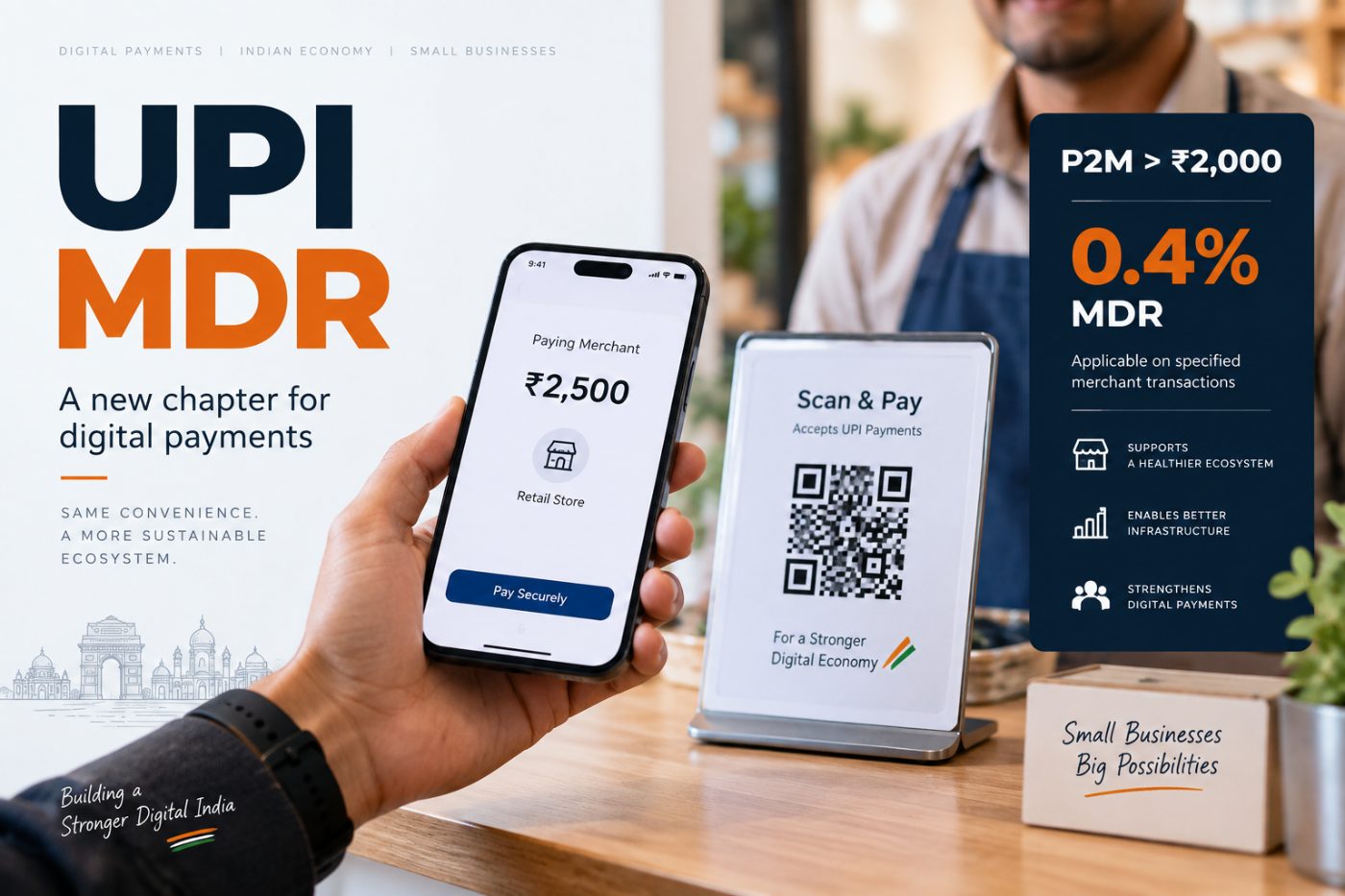
UPI MDR Charges: What the New 0.4% Rule Actually Means For years, UPI's biggest attraction has been simple: scan a QR code, enter the amount, and pay without transaction charges. That experience is not changing for consumers. From October 15, 2026 , however, a new Merchant Discount Rate (MDR) framework will introduce charges on certain Person-to-Merchant (P2M) UPI transactions. The important distinction is that the charge applies on the merchant side of the payment ecosystem, not to the person making the payment. So, what exactly is changing? What Is MDR? Merchant Discount Rate (MDR) is a fee associated with processing a digital payment. Under the new framework, an MDR of 0.4% applies to eligible P2M UPI transactions above ₹2,000 . For example: ₹2,000 payment → ₹0 MDR ₹3,000 payment → ₹12 MDR ₹50,000 payment → ₹200 MDR ₹1,00,000 payment → ₹300 MDR , because of the cap For transactions of ₹75,000 and above , the MDR is capped at a maximum of ₹300 per transaction . This means the fee doesn't keep increasing indefinitely with the transaction value. Consumers Still Don't Pay for UPI This is perhaps the most important point. The new MDR framework does not make UPI a paid service for consumers . UPI remains free for people making payments, and the framework prevents merchants from adding the MDR as a surcharge to the customer's bill. Payment apps are also prohibited from imposing platform fees on these UPI transactions. So, if you purchase something worth ₹5,000: Customer pays → ₹5,000 The MDR is handled within the payment ecosystem rather than being added to the consumer's payment. Most Everyday Payments Remain Outside MDR The ₹2,000 threshold is central to the new framework. All eligible commercial UPI payments of ₹2,000 or less remain under the zero-MDR regime . This means many routine payments—such as groceries, food, small retail purchases and neighbourhood transactions—will remain unaffected. According to the Ministry of Finance, approximately 96% of total merchant transactions will remain entirely unaffected by the levy because everyday merchant payments generally fall below the ₹2,000 threshold. Small Merchants Are Also Exempt The framework provides another important exemption for India's small-business ecosystem. Eligible P2PM merchants receiving up to ₹1 lakh per month are exempt from the levy. This is particularly relevant for neighbourhood vendors, small retailers and other micro-merchants that depend heavily on UPI QR payments. The idea is to avoid putting an additional payment-processing burden on the smallest businesses while applying MDR primarily to larger commercial transactions. Not Every Large Payment Will Face 0.4% The standard 0.4% MDR isn't universal. Certain sectors have been given separate slabs. Selected Utility & Public Sectors Transactions above ₹2,000 in specified sectors—including Indian Railways, fuel, telecom, insurance and agricultural inputs —will attract a flat ₹5 MDR instead of the standard 0.4% rate. For example: ₹10,000 payment → ₹5 MDR rather than ₹40 under a 0.4% calculation. Capital Markets Payments related to mutual funds and equity brokerages carry a separate MDR of 0.02% , subject to a maximum cap of ₹300. This creates a significantly lower rate for specified capital-market transactions. Why Is MDR Being Introduced? The reasoning behind the framework is closely connected to the enormous scale of India's digital-payment infrastructure. UPI requires substantial investment in: Cybersecurity Server and network infrastructure Fraud prevention Payment reliability and uptime Technical support Continuous system upgrades The MDR revenue is not a government tax . It is distributed among ecosystem participants, including issuing banks, acquiring banks and payment apps, with the stated objective of supporting the infrastructure and sustainability of the payment ecosystem. The framework also includes a dedicated development fund intended to promote digital adoption and merchant onboarding in smaller towns and underserved areas. What Happens From October 15? The framework becomes effective on October 15, 2026 . The implementation window gives acquiring banks, payment aggregators, fintech companies and other ecosystem participants time to modify their billing, settlement and technical infrastructure. The simplest way to understand the new system is: Type of TransactionMDRP2M payment ≤ ₹2,000 ₹0 Eligible P2M payment > ₹2,000 0.4% Transactions ₹75,000+ Maximum ₹300 Selected sectors Flat ₹5 Capital markets 0.02%, capped at ₹300 Eligible P2PM merchants ≤ ₹1 lakh/month ₹0 Consumer UPI payment ₹0 KEY TAKEAWAY UPI is not becoming a paid service for consumers. From October 15, 2026 , eligible P2M transactions above ₹2,000 will generally attract a 0.4% merchant-side MDR , with the fee capped at ₹300 for transactions of ₹75,000 and above. Payments of ₹2,000 or less remain at zero MDR, eligible small P2PM merchants remain exempt, and consumers cannot be charged the MDR as a surcharge. Selected sectors have separate concessional rates, including a ₹5 flat fee and 0.02% for specified capital-market transactions . The stated purpose is to create a sustainable funding mechanism for UPI infrastructure, cybersecurity, resilience and further digital-payment expansion. The Bigger Picture The headline "UPI will now have charges" doesn't capture the entire framework. The actual change is more specific: selected larger merchant-side UPI transactions will carry MDR , while the everyday consumer experience remains free. For millions of people making small UPI payments, little changes. The major change happens behind the scenes, where banks, payment apps, aggregators and merchants will have to incorporate a new cost structure into eligible transactions. Ultimately, the impact of this framework will depend on how effectively the ecosystem uses the additional revenue to maintain the reliability, security and scale that have made UPI one of India's most important digital-payment systems.